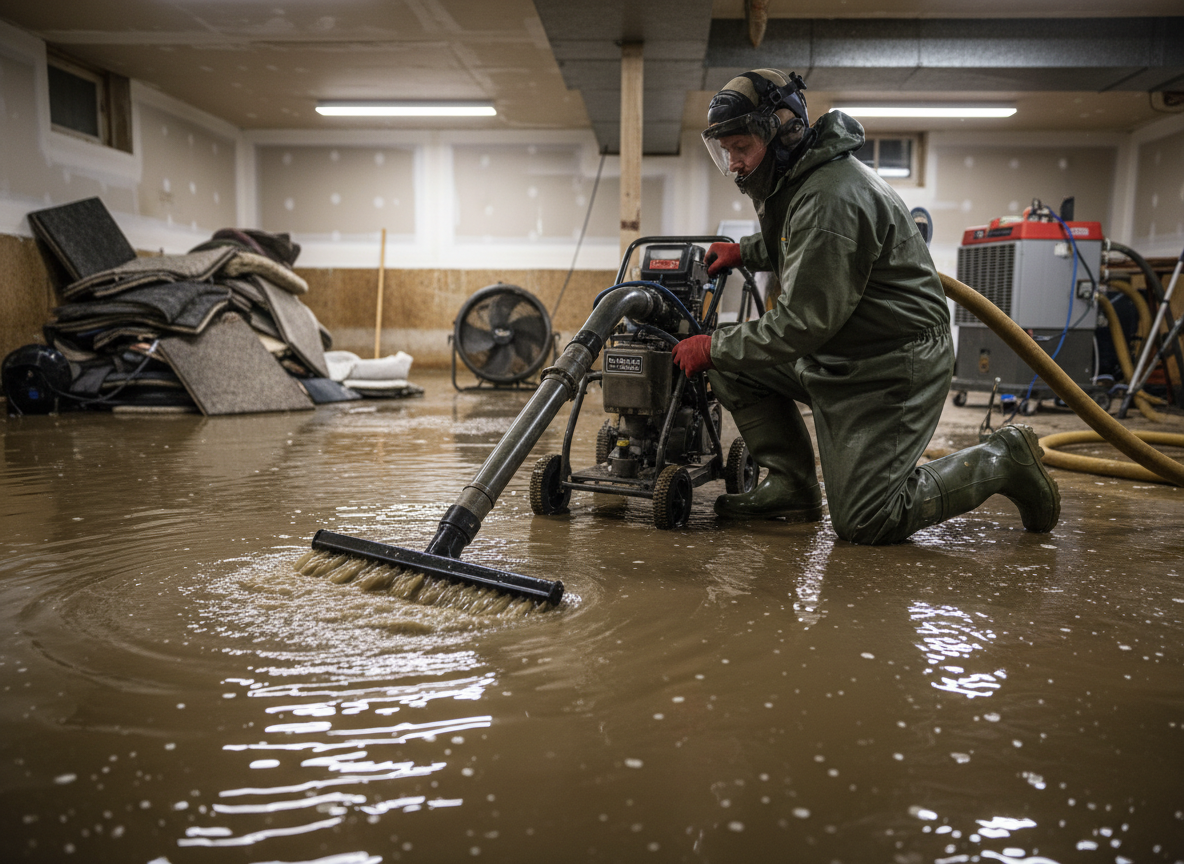
In Whitewater's hot desert climate, rapid water extraction must begin within hours because extreme summer heat drives moisture deep into older stucco and wood-frame homes common along Dillon Road and nearby routes toward Banning. Surface water disappears quickly but leaves trapped moisture behind drywall, under tile, and in crawl spaces where sandy soil holds pockets of water that standard fans miss. Technicians use truck-mounted extractors and moisture meters to pull water from subfloors before it migrates into neighboring rooms or triggers mold in the low-humidity air that fools homeowners into thinking the job is finished.
Flash flooding from monsoon rains or broken irrigation lines near Palm Springs borders creates different extraction demands than a simple pipe burst. Water often travels under concrete slabs on properties built before modern vapor barriers were required, forcing crews to cut strategic channels and use subfloor drying systems rather than surface-only methods. Homeowners in Whitewater who delay extraction risk structural weakening in the dry, cracked soil that expands and contracts with each rare heavy rain.
After extraction, hidden checks behind baseboards and in HVAC returns prevent repeat calls during the next heat wave when residual moisture reactivates. The 24/7 team based at 60735 Dillon Rd responds across Whitewater and surrounding Riverside County pockets where narrow roads and steep desert terrain can slow larger equipment, so smaller portable units stay ready for quick access to hillside properties.
Technician insight
In Whitewater, the thing that catches most people out with rapid water extraction is how fast the extreme summer heat pulls surface water away while leaving saturated soil under the slab that later wicks back into the walls once temperatures drop at night.
Monsoon leak under slab
Heavy rain pooled against a home off Dillon Road and entered through a cracked foundation joint. Extraction revealed water had traveled under the slab into the living room. Crews pulled standing water, mapped moisture, and ran targeted drying for three days until readings returned to normal.
How it works
- 1
Arrival and safety check
Technicians arrive with extraction trucks and isolate power and gas at the Whitewater property while noting any structural concerns from prior desert heat damage.
- 2
Standing water removal
High-volume pumps and wands pull visible water from floors and carpets before it soaks further into the home's older framing.
- 3
Moisture mapping
Infrared cameras and meters locate trapped water behind walls and under slabs common in Whitewater builds.
- 4
Targeted drying setup
Air movers and dehumidifiers are placed to finish drying in the extreme heat without over-drying fragile materials.
Pricing
Cost depends on water volume, affected square footage, and whether hidden moisture requires wall or slab access in older Whitewater homes.