2026-10-15 ·
How Monsoon Rains Affect Whitewater Homes Near The River
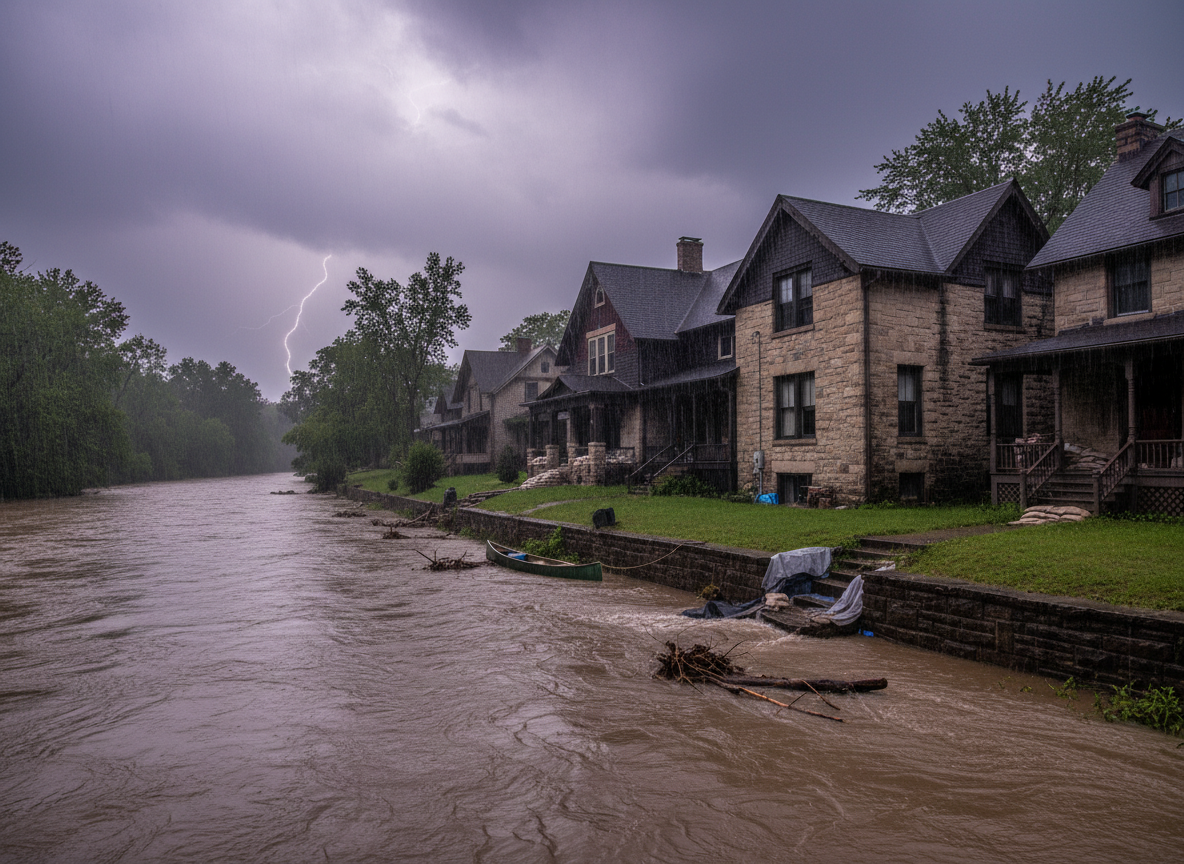
Monsoon rains in Whitewater send sudden volumes of water down the Whitewater River and across desert terrain, flooding crawl spaces and low-lying yards within hours of a heavy downpour in Riverside County.
Flash Flooding Along the Whitewater River
Whitewater sits in a narrow desert valley where the river channel funnels monsoon runoff from higher elevations straight toward homes on Dillon Road and nearby streets. When summer storms drop 1–2 inches in under an hour, water overtops banks and crosses yards before residents can react. Older single-story homes built before modern grading standards often sit slightly below street level, allowing water to enter through garage doors and window wells. The hot desert climate bakes soil into a hard crust that sheds water instead of absorbing it, so even moderate rain becomes surface flow within minutes. Properties closest to the river see the fastest intrusion, with water reaching foundation edges before it spreads toward Banning or Palm Springs routes.
Moisture Intrusion in Stucco and Crawl Spaces
Desert stucco homes in Whitewater trap moisture behind exterior layers once monsoon water splashes against walls or sits in grading depressions. Wind-driven rain during these events forces water into small cracks around windows and utility penetrations common in 1970s–1990s builds. Crawl spaces under many local houses collect standing water that evaporates slowly in the extreme summer heat, raising indoor humidity and feeding mold on floor joists. Residents in neighborhoods near the river often notice musty odors days after the rain stops because the dry climate masks the problem until damage spreads. Checking for soft spots in flooring and monitoring humidity levels above 60 percent helps catch issues before they require larger repairs.
Long-Term Effects on Foundations and Drainage
Repeated monsoon cycles erode soil around concrete foundations in Whitewater homes, especially those without French drains or proper slope away from the structure. The river-adjacent terrain shifts with each event, creating low spots that collect water again during the next storm. Homeowners in the area report increased settling cracks after three or four consecutive wet summers because the underlying soil expands and contracts with the desert’s temperature swings. Adding or clearing existing drainage channels before monsoon season reduces the volume that reaches living spaces. Water extraction becomes necessary when water sits against footings longer than 24 hours.
Practical Steps After Monsoon Events
Document visible water lines on walls and floors immediately after a storm passes through Whitewater. Remove standing water from crawl spaces using pumps rated for the volume expected near the river. Run dehumidifiers set to 45–50 percent until moisture meters read below 15 percent on affected materials. Flood restoration services address the full drying sequence when hidden pockets remain behind baseboards or in insulation. Review what influences water damage repair costs in Whitewater to understand variables like access under older homes and the time needed to dry stucco assemblies. Properties in surrounding areas such as Banning share similar river-influenced drainage patterns that demand the same attention to grading and prompt extraction.